Posted on Google Sharifah Nur MawaddahTrustindex verifies that the original source of the review is Google. Great experience! Dr explained very well, staff was amicable.Posted on Google Siti Radhiah SitiTrustindex verifies that the original source of the review is Google. TerbaikPosted on Google Rizwan ShahTrustindex verifies that the original source of the review is Google. Servis terbaik Dan pantasPosted on Google Natasha FooTrustindex verifies that the original source of the review is Google. This clinic helped me overcome my fear of dentists. The doctor was very gentle, professional, and gave great advice on maintaining good oral health. Thank you for the wonderful experiencePosted on Google Hani HazerinTrustindex verifies that the original source of the review is Google. Ambience tak mcm klinik gigi. Ada mesin urut n tpt utk budak2 main. Dentists are nice n sgt pandai layan budak2. Sabar menerangkan pasal gigi yg rosak n treatment yg perlu dibuat. Best!. Keep up the good job docs!Posted on Google Nizam NadzimuddinTrustindex verifies that the original source of the review is Google. Very customer oriented service, from booking n work by friendly dentist, Dr LuqmanPosted on Google Asyraf RahmanTrustindex verifies that the original source of the review is Google. Tampal + RCT 2nd phase.... dr tu friendly and master of its craft... pantas dan banyak nasihat.... process simple walaupon walkin... semua boleh nego.. berbaloi.. panel pon banyak
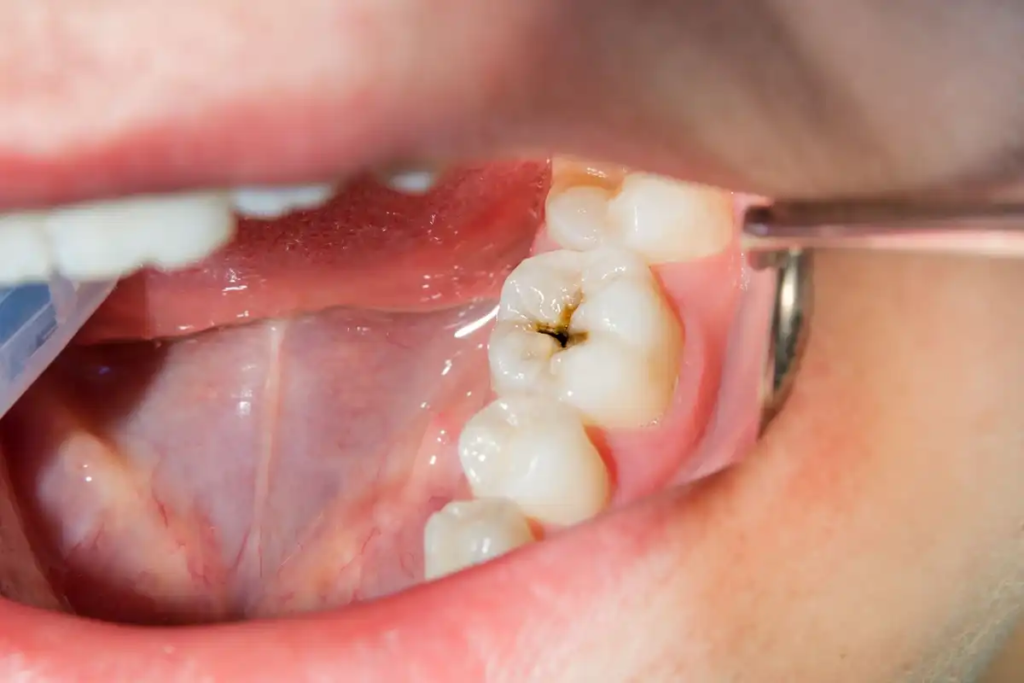
Tooth decay, also known as dental caries or cavities, is a common oral health issue that affects people of all ages. Understanding the causes, recognizing the symptoms, and implementing prevention strategies are essential steps in maintaining healthy teeth and a beautiful smile. In this article, we will delve into the world of tooth decay to shed light on its origins, symptoms, and effective prevention methods.

Causes of Tooth Decay
Tooth decay is primarily caused by the interaction of bacteria, carbohydrates, and tooth enamel. Here’s how it happens:
1. Bacteria : Our mouths are home to various types of bacteria, some of which are harmful. Streptococcus mutans is a bacterium that plays a key role in tooth decay. It feeds on sugars and starches left on our teeth after eating.
2. Acid Production : When these harmful bacteria consume sugars, they produce acids as a byproduct. These acids can erode the enamel—the protective outer layer of the tooth.
3. Plaque Formation : The combination of bacteria, acids, and leftover food particles forms a sticky film called plaque, which adheres to the teeth. Plaque is a breeding ground for harmful bacteria and contributes to enamel erosion.
4. Mineral Loss : Over time, the acids in plaque can demineralize the enamel, leading to the formation of tiny holes or cavities in the tooth.
Symptoms of Tooth Decay
Recognizing the early signs of tooth decay is crucial for timely intervention. Common symptoms include:
1. Tooth Sensitivity : Sensitivity to hot or cold temperatures, especially when consuming food and beverages, can be an early indicator of tooth decay.
2. Toothache : As decay progresses, you may experience persistent or spontaneous toothaches.
3. Visible Holes or Pits : When cavities become more advanced, they may be visible as holes or pits on the surface of the affected tooth.
4. Staining : Discoloration or white, brown, or black spots on the teeth can be indicative of enamel demineralization.
5. Bad Breath : Persistent bad breath, also known as halitosis, can be associated with tooth decay due to the presence of bacteria in the affected area.
Prevention of Tooth Decay
The good news is that tooth decay is largely preventable with proper oral hygiene and dietary choices:
1. Brush Regularly : Brush your teeth at least twice a day with fluoride toothpaste. Use a soft-bristle toothbrush and practice good brushing techniques to remove plaque effectively.
2. Floss Daily : Flossing helps remove food particles and plaque from between teeth and along the gumline where a toothbrush can’t reach.
3. Limit Sugary and Starchy Food : Reduce your consumption of sugary and starchy foods and beverages, as they fuel the growth of decay-causing bacteria.
4. Fluoride Treatment : Fluoride strengthens enamel and can be applied by your dentist during regular checkups or through fluoride toothpaste.
5. Regular Dental Checkups : Visit your dentist for regular checkups and professional cleanings. These visits allow for early detection and treatment of any dental issues.
6. Sealants : Dental sealants can be applied to the chewing surfaces of molars to provide an extra layer of protection against decay.
Tooth decay is a common dental problem, but it is preventable. By understanding its causes, recognizing its symptoms, and following a regimen of good oral hygiene and dietary choices, you can significantly reduce your risk of cavities and maintain a healthy, beautiful smile throughout your life. Regular dental checkups are essential to catch and address any issues early, ensuring that your teeth remain strong and cavity-free.
Designed By Infinite Digital